For decades, real estate value was dictated by a simple mantra: location, location, location. In 2026, a new variable has entered the equation: adaptability.
The global real estate market is undergoing a structural reset. The post-pandemic dust has settled, revealing a landscape where traditional leases are shortening, and tenants are demanding more than just square footage—they are demanding outcomes.
At SBF, we see three divergent trends shaping the built environment for the next decade.
1. The Flight to Quality: Earning the Commute
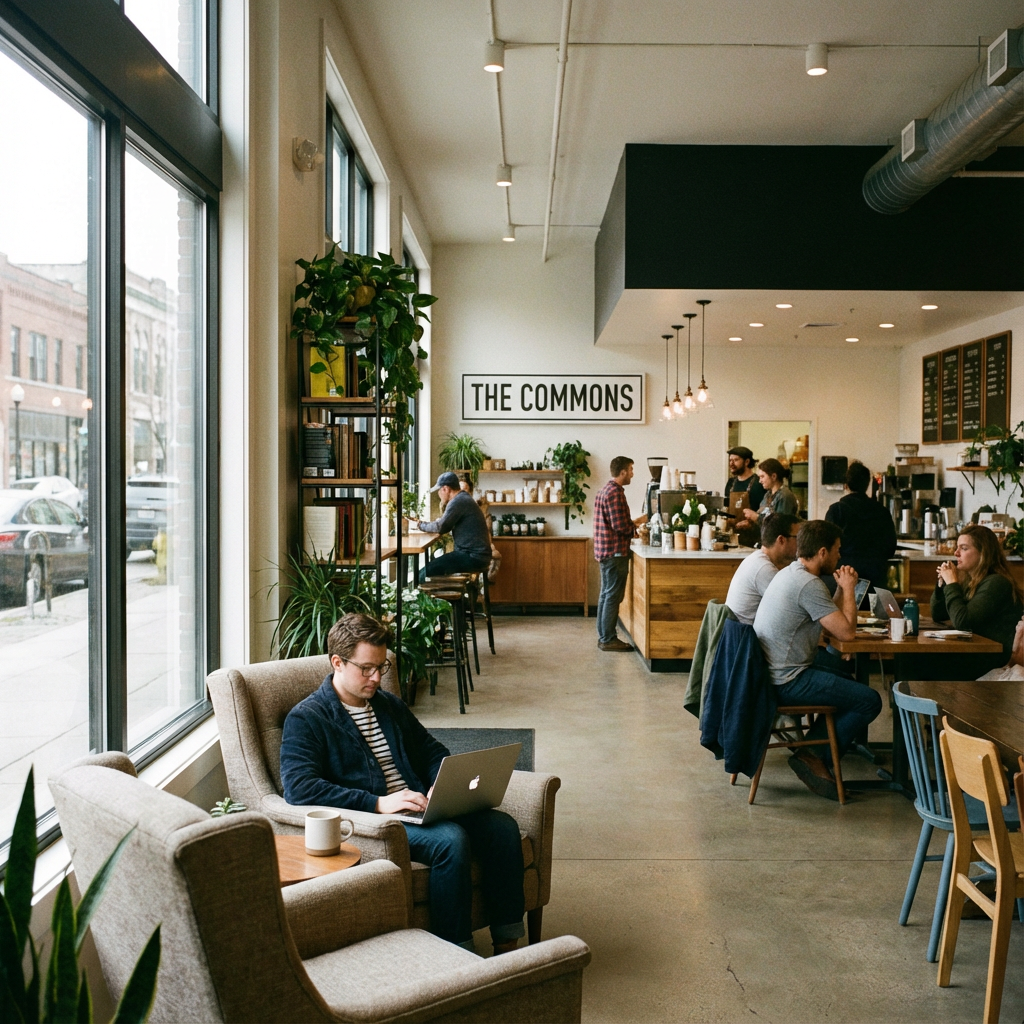
The office is not dead, but the “commodity office” is dying. Companies are shrinking their total footprint but increasing their spend-per-square-foot. They are moving from sprawling, generic campuses to hyper-connected, amenity-rich hubs.
The Trend: Employees are voting with their feet. Offices that feel like “destinations”—with high-end coffee, wellness rooms, and collaborative tech—see 40% higher utilization rates than standard cubicle farms.
The Strategy: Landlords must pivot from being rent-collectors to hospitality providers. If your building doesn’t help a CEO attract talent, it is a liability, not an asset.
2. The “Green Premium” is Now a Baseline
Sustainability is no longer a “nice-to-have” for annual reports; it is a financial imperative. Regulatory pressure (such as the EU’s carbon taxes or NYC’s Local Law 97) is forcing obsolescence on carbon-heavy buildings.
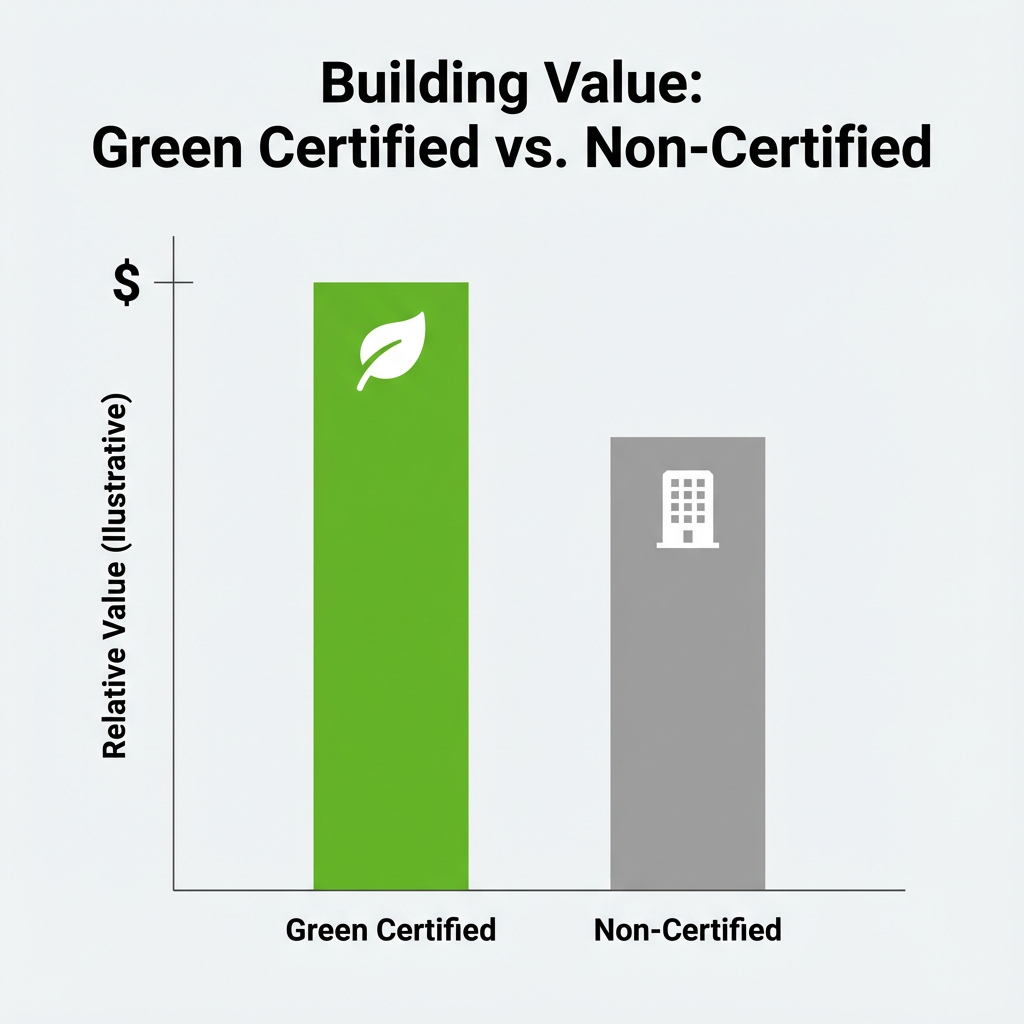
Key Insight: Our data indicates a widening valuation gap. “Green” certified buildings now trade at a 15-20% premium, while non-compliant assets are suffering from a “Brown Discount,” often trading below replacement cost.
3. The AI Infrastructure Boom
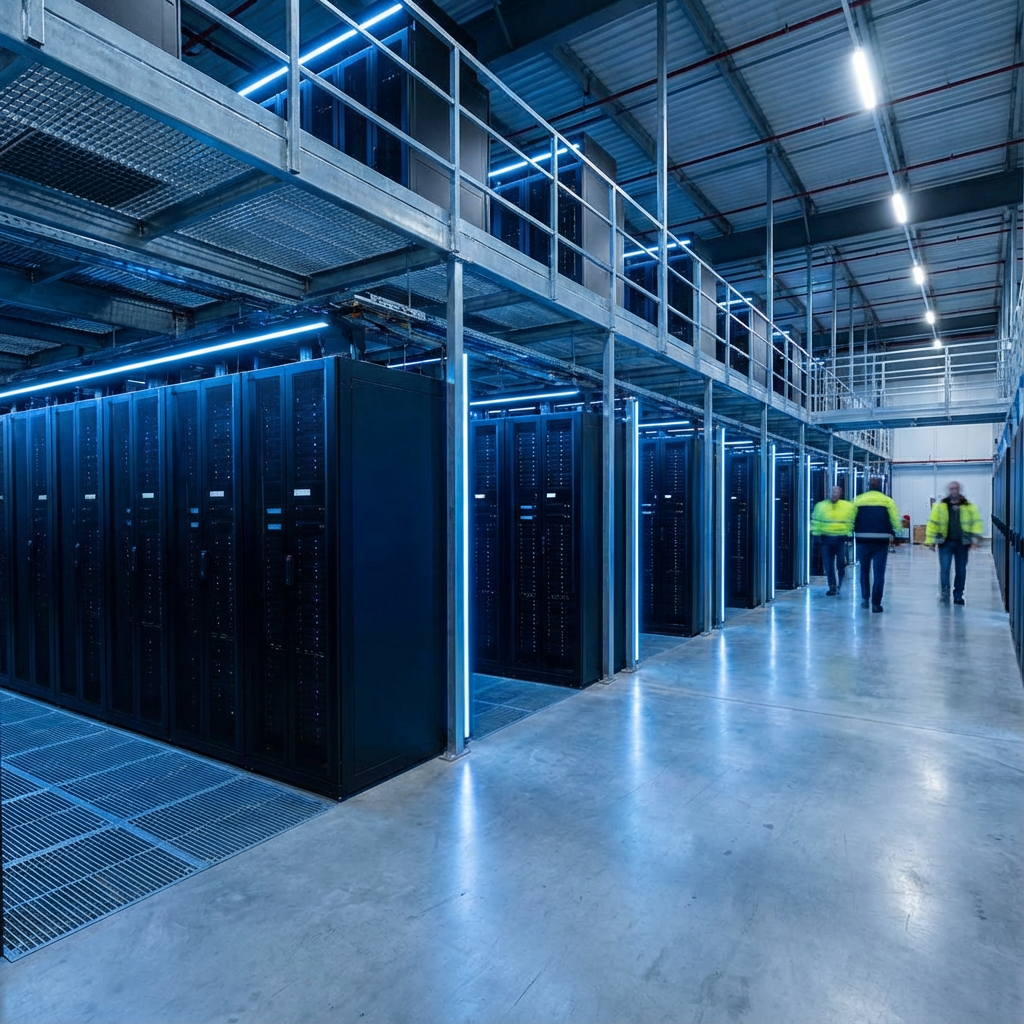
While office demand softens, the demand for compute power is skyrocketing. The rise of Generative AI has created an insatiable need for data centers.
The Opportunity: We are advising clients to look at distressed industrial sites and under-utilized retail boxes as potential conversion sites for edge computing centers. Real estate is no longer just about housing people; it is about housing intelligence.
Conclusion: The Path Forward
The days of passive holding are over. To generate alpha in 2026, investors and developers must be active managers. This means retrofitting aging assets, integrating smart-building technology, and structuring flexible leases that grow with tenants.